Waste and secondary raw material
trading platform
Get to know the exact value of the waste you have or plan to buy and learn of the opportunities to sell!
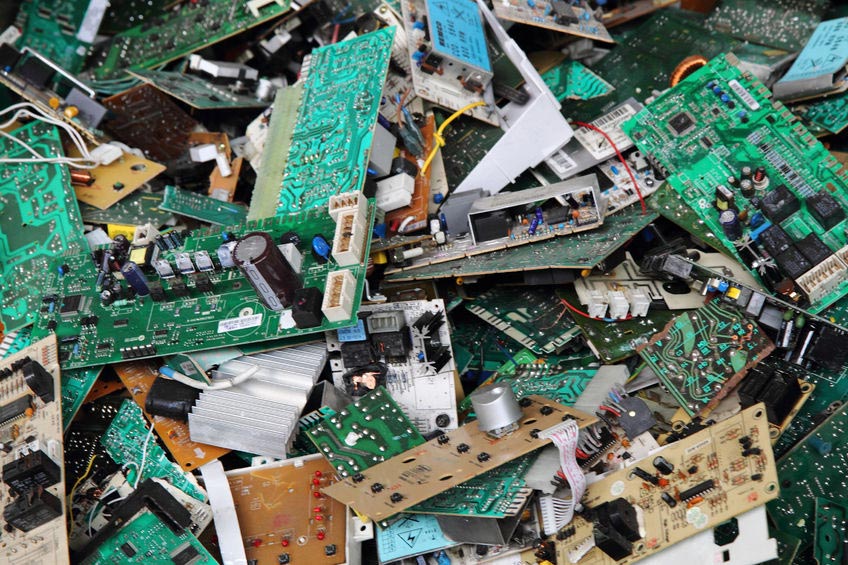
Recycling Electronics.
One the fastest growing waste items in landfills is electronic waste, or e-waste. Discarded phones, tablets, laptops and televisions are piling up at a rapid rate, and their mix of components and materials makes them difficult to recycle – but it can be done.
While getting the actual garbage collected from homes and suburbs has been uppermost in most residents’ minds, there is one form of waste not normally dumped on the rubbish heap but is a nuisance to get rid of nonetheless – e-waste.
Simply throwing out discarded electrical or electronic devices – e-waste – can have a disastrous impact on the environment. Battery acid and other materials in these devices can leak out and create big problems if they contaminate groundwater. Instead of letting them collect dust in your home or cause harm to the environment, why not spend some time and prepare them for proper recycling?
There are valuable materials in your electronic goods; gold, silver, copper and other precious metals. These materials can be reused in other gadgets and offer a more sustainable solution to the huge demand of electronic manufacturers.

Recycling Glass.
Glass recycling is the processing of waste glass into usable products. Glass that is crushed and ready to be remelted is called cullet. There are two types of cullet: internal and external. Internal cullet is composed of defective products detected and rejected by a quality control process during the industrial process of glass manufacturing, transition phases of product changes (such as thickness and colour changes) and production offcuts. External cullet is waste glass that has been collected or reprocessed with the purpose of recycling. External cullet (which can be pre- or post-consumer) is classified as waste. The word "cullet", when used in the context of end-of-waste, will always refer to external cullet.
South Africa consumes more than 3.1 million tonnes of glass a year, of which two thirds is reusable and can be diverted from landfills; in fact, glass accounts for 4.5% of all waste. As South Africans, we should be striving for a resource efficient economy where pragmatic sustainability measures – like glass recycling – drive waste reduction.
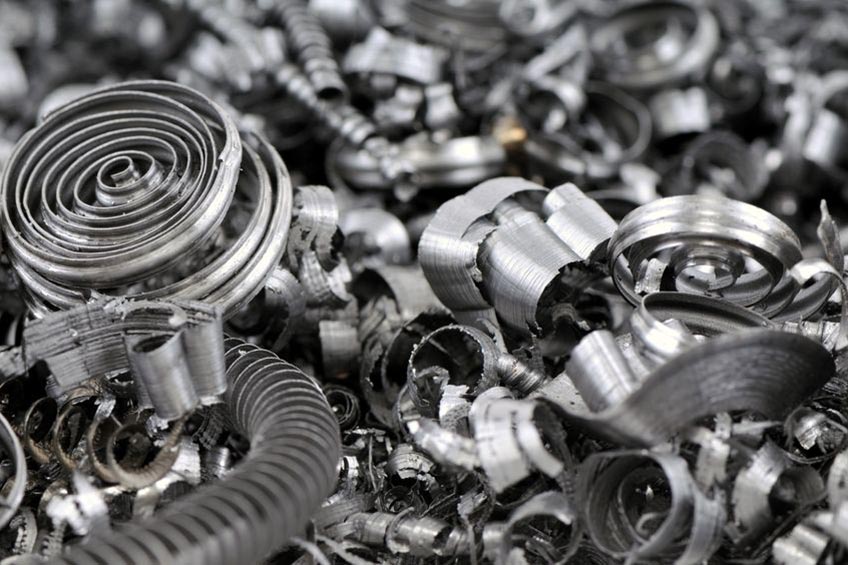
Recycling Metal.
The annual collection and recycling rates of metals continue to grow in South Africa, according to a report released by BMI Research. The local research and insight company revealed that almost 76% of all metal packaging in South Africa is recovered.
These insights make South Africa one of the global leaders in post-consumer metal packaging recovery and recycling. Industry leaders and experts expect these statistics to improve further for 2019 and beyond. Food tins, aluminium beverage cans and tin foil packaging are among the most common metal items sent for recycling.
Metals can be recycled without any adverse effects of the quality or structure of the packaging, therefore they are ideally suited to the circular economy. This is the reason why metal packaging is a valuable material for producers and recyclers. New products can be produced from old ones at a far lower cost to the environment.
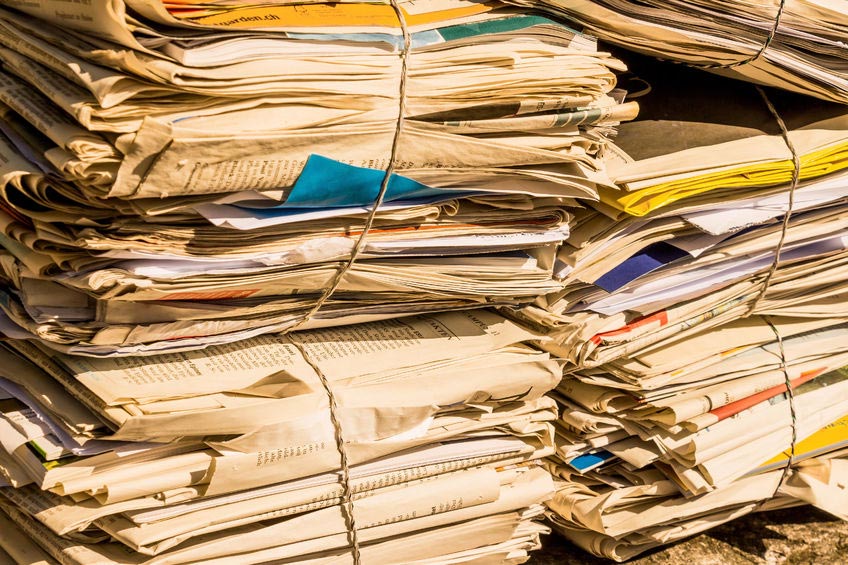
Recycling Paper.
The recycling of paper is the process by which waste paper is turned into new paper products. It has a number of important benefits: It saves waste paper from occupying homes of people and producing methane as it breaks down. Because paper fibre contains carbon (originally absorbed by the tree from which it was produced), recycling keeps the carbon locked up for longer and out of the atmosphere.
The paper recycling sector in South Africa is thriving, thanks to the efforts of waste management providers, collectors and consumers. South Africa’s 2020 paper recycling target of 70% was met in 2017 – three years ahead of schedule after 1.3-million tonnes of paper, cardboard and liquid packaging were recycled.
Recycling relies on education and knowledge of what is recyclable and what is not. Currently, around 13% of South African households recycle properly; even fewer businesses recycle their waste. Not only do more households and businesses need to start recycling, but they also need to ensure that their waste is clean before placing it in recycling bins.
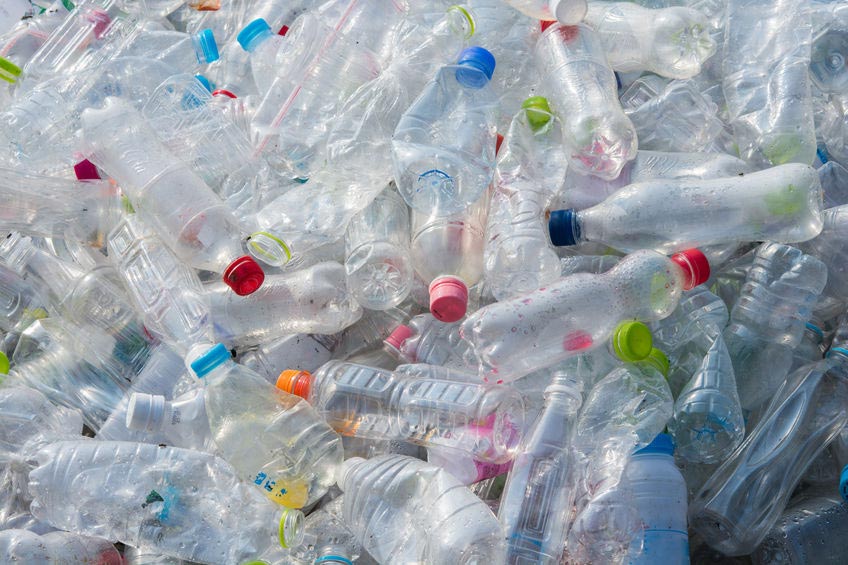
Recycling Plastic.
Plastic recycling is the process of recovering scrap or waste plastic and reprocessing the material into useful products. Since the majority of plastic is non-biodegradable, recycling is a part of global efforts to reduce plastic in the waste stream, especially the approximately 8 million metric tonnes of waste plastic that enters the Earth's ocean every year.
Plastic waste not only threatens our environment and the animals that inhabit it; there are invisible effects of plastic pollution on the climate too. New scientific studies have shown that plastic is responsible for almost 4% of the world’s total greenhouse gas emissions – that’s twice as much carbon emissions than the aviation industry produces.
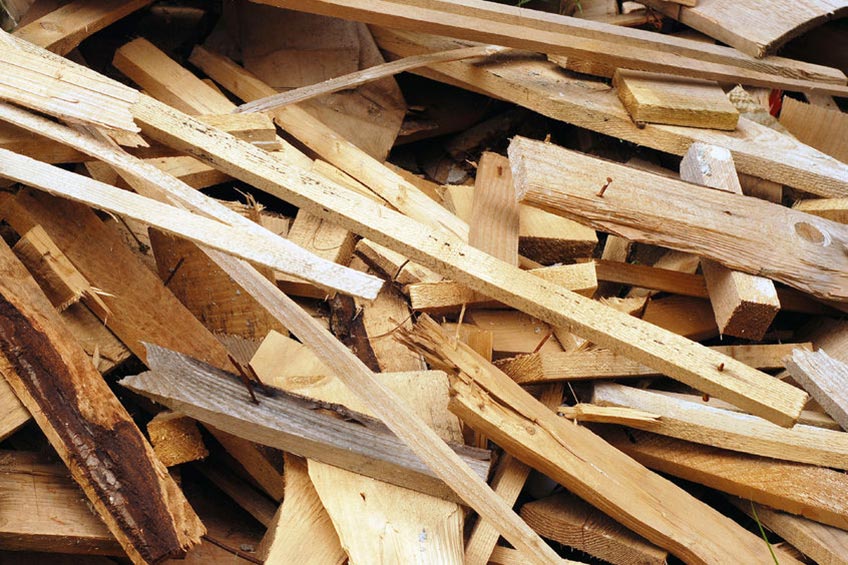
Recycling Wood.
When you think of recyclables, you often think of plastic bottles and aluminium cans. You don’t immediately consider wood – but that’s exactly what we should be doing with excess wood, says a panel of international climate change experts.
Waste wood should be reused and recycled before being used as a source of biomass feedstock or for other applications. This prevents extra carbon dioxide from being released into the atmosphere from the waste wood when it is processed in factories.
“End-of-life solutions that prevent or delay the release of [carbon dioxide] from waste wood disposal back into the atmosphere are important for maximising the lifecycle greenhouse gas benefits of timber construction,” reads a report released by the Committee on Climate Change in the United Kingdom, titled Biomass in a low-carbon economy.
“Waste wood should be reused and recycled wherever possible, followed by use for energy generation with BECCS (bioenergy with carbon capture and storage technology) as soon as this technology is available,” the report continues.